FRCR Part 1 Clinical Oncology for International Medical Graduates: Your Complete Pathway Guide.
Planning an oncology career in the UK as an IMG? This guide covers FRCR Part 1 requirements, exam preparation, GMC registration, and career pathways including CESR for international doctors.
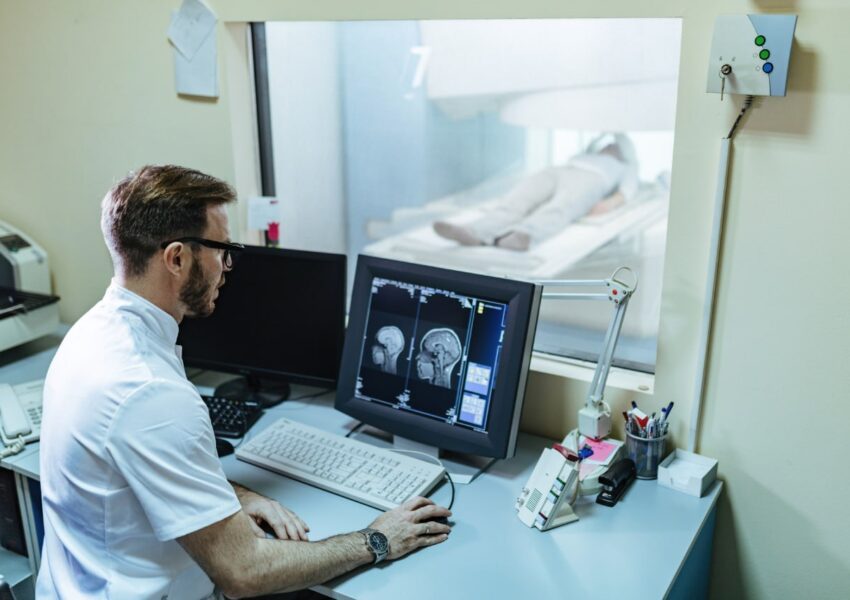
For international medical graduates (IMGs) aspiring to practise clinical oncology in the UK, the FRCR (Fellowship of the Royal College of Radiologists) is a key milestone. The qualification demonstrates competence in cancer care and forms part of the route to GMC registration and ultimately to senior NHS roles.
This guide covers everything you need to know about FRCR Part 1 as an IMG, from eligibility requirements to exam preparation and career pathways.
Understanding the FRCR (Oncology) Pathway
The FRCR (Oncology) examination consists of three parts:
- FRCR Part 1 (CO1): First FRCR—tests foundational science (4 modules over 2 days)
- FRCR Part 2A (CO2A): Final FRCR Part A—clinical knowledge across oncology subspecialties
- FRCR Part 2B (CO2B): Final FRCR Part B—clinical assessment including OSCE and oral examination
All three parts must be passed to achieve the full FRCR (Oncology) qualification.
FRCR Part 1: Eligibility for IMGs
The good news for international doctors is that eligibility requirements for FRCR Part 1 are relatively straightforward:
Requirements
- Primary Medical Qualification (PMQ): Hold a GMC-recognised primary medical qualification (e.g., MBBS or equivalent)
- Medical registration: Be registered as a medical practitioner (evidence of registration from your home country is acceptable for international doctors)
What's NOT Required
- No minimum period of clinical oncology experience for Part 1
- GMC registration is not required to sit the exam (though you'll need it to work in the UK)
- You do not need to be in a UK training programme
Important: For Parts 2A and 2B, you will need supervised clinical oncology training, so planning ahead is essential.
Exam Structure for IMGs
The FRCR Part 1 (Oncology) exam consists of four modules taken over two consecutive days, typically in February and September:
Day One
- Cancer Biology & Radiobiology: 50 SBA questions, 2.5 hours
- Clinical Pharmacology: 40 SBA questions, 2 hours
Day Two
- Physics: 50 SBA questions, 2.5 hours
- Medical Statistics: 40 SBA questions, 2 hours
You can attempt any number of modules per sitting. Candidates must pass all four modules within six attempts overall (not six attempts per module).
Exam Venues for International Candidates
FRCR Part 1 (Oncology) is offered at venues in the UK and internationally:
- UK: London, Edinburgh, Manchester
- International: Hong Kong, India, and other locations (subject to availability)
Note: International venues may have limited seats, so apply early. Fees may also be higher for non-UK venues.
Preparing as an International Candidate
Official Resources
- RCR website: Access the official syllabus, reading lists, sample questions, and examiner reports
- Clinical Oncology Curriculum: Ensure your preparation aligns with the current curriculum
- Drugs list: The RCR provides guidance on drugs covered in the Clinical Pharmacology module
Preparation Strategies
- Start early: Most successful candidates prepare for 3-6 months
- Use the syllabus: Treat it as your checklist—ensure you cover every topic
- Question banks: Practice with timed questions to simulate exam conditions
- Study groups: Connect with other IMGs preparing for the same exam—peer support is invaluable
- Focus on understanding: The SBA format tests application, not just recall
GMC Registration for IMGs
While you don't need GMC registration to sit FRCR Part 1, you will need it to work in the UK. Routes to GMC registration include:
- PLAB (Professional and Linguistic Assessment Board): The most common route for IMGs without specialist qualifications
- Postgraduate qualification route: If you hold the full FRCR (all three parts), you can apply for GMC registration via this route
Key point: FRCR Part 1 alone does not qualify you for GMC registration—you need the complete FRCR qualification.
Career Pathways for IMGs with FRCR
Specialty Training (ST3+)
IMGs can apply for clinical oncology specialty training starting at ST3 level. This requires MRCP(UK) and leads to CCT (Certificate of Completion of Training) after approximately 5 years.
Non-Training Grades (SAS/Specialist)
Many IMGs work in Specialty and Associate Specialist (SAS) or specialist grade posts while building experience and collecting evidence for the Portfolio Pathway.
The Portfolio Pathway (Formerly CESR)
The Portfolio Pathway (previously called CESR—Certificate of Eligibility for Specialist Registration) allows doctors who haven't completed a GMC-approved UK training programme to demonstrate equivalent competence and join the Specialist Register.
How It Works
- Submit detailed evidence of your qualifications, experience, audits, research, and professional development
- The Royal College of Radiologists assesses whether your evidence demonstrates competence equivalent to a UK CCT
- Successful applicants are added to the GMC Specialist Register and can apply for substantive consultant posts
Building Your Portfolio
Many NHS trusts now actively support IMGs in collecting CESR evidence. Look for posts that offer:
- Structured training opportunities
- Mentorship from consultants
- Access to MDTs, research, and audit
- Support for CESR portfolio development
Practical Tips for IMGs
- Plan your pathway early: Understand the full FRCR journey and GMC registration requirements before starting
- Book exams in advance: International venues fill quickly
- Start CESR evidence collection from day one: Even before moving to the UK, document your competencies
- Network: Connect with other IMG oncologists through professional groups and social media
- Consider NHS experience: Short-term placements or observerships can help you understand UK practice before committing to a move
PassOncology: Built for International Candidates
We understand the unique challenges faced by IMGs preparing for FRCR Part 1. PassOncology offers:
- 1,000+ curated questions across all modules
- Detailed explanations that build understanding, not just test it
- AI Onco Assistant for 24/7 concept clarification
- Performance analytics to identify weak areas
- Flexible access from anywhere in the world
Whether you're preparing from your home country or already working in the UK, PassOncology helps you achieve your FRCR Part 1 goals.
Enjoyed this article?
Share it with a colleague preparing for their FRCR.