The Hallmarks of Cancer: From Hanahan & Weinberg to Modern Oncology
The Hallmarks of Cancer framework by Hanahan and Weinberg revolutionised cancer biology. Learn the original 6 hallmarks and their updates for FRCR Part 1 Cancer Biology.
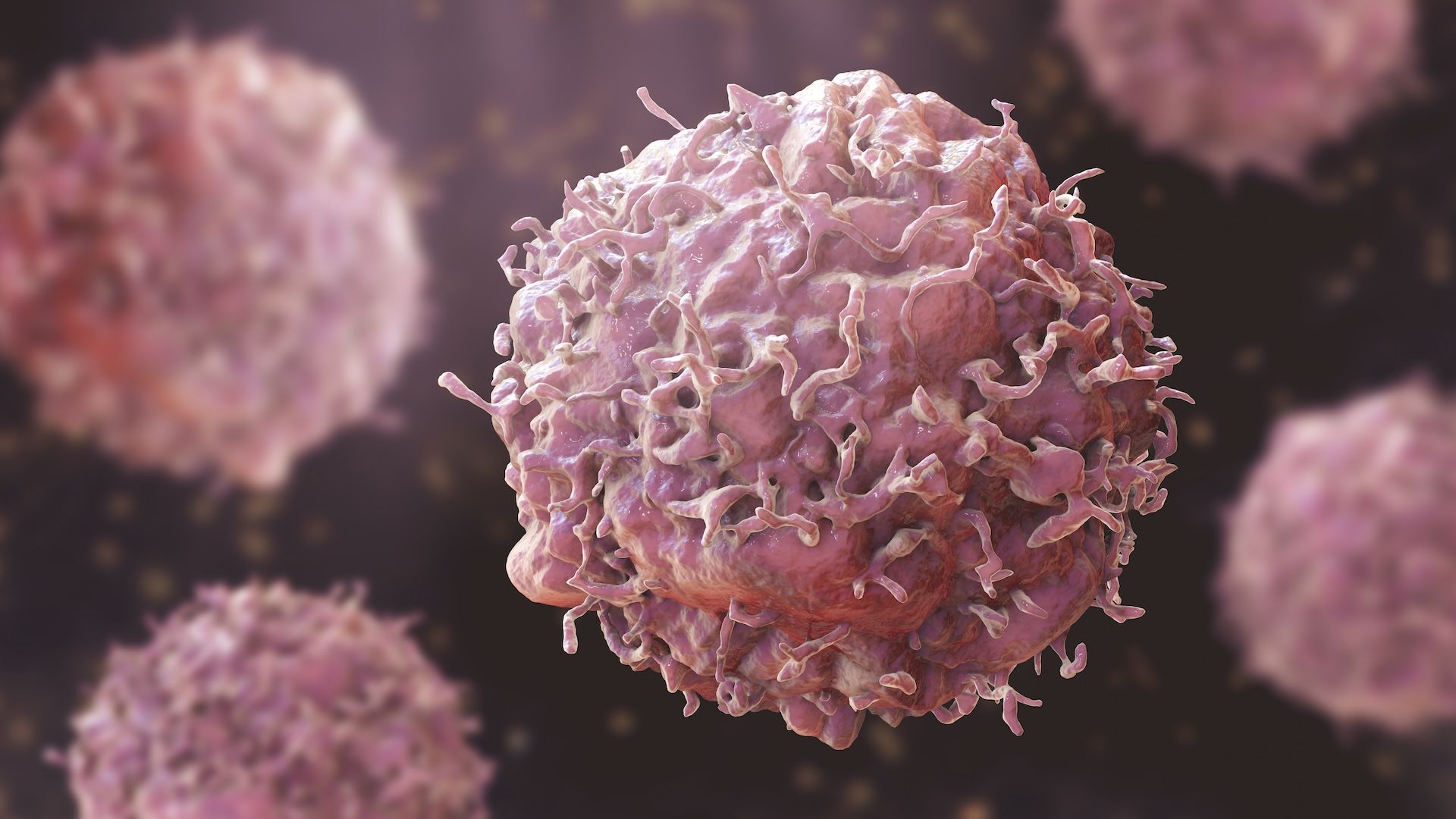
In 2000, Douglas Hanahan and Robert Weinberg published one of the most influential papers in cancer biology: "The Hallmarks of Cancer" in the journal Cell. This landmark review distilled the overwhelming complexity of cancer into six fundamental capabilities that normal cells must acquire to become malignant.
The framework has been updated twice—in 2011 ("Hallmarks of Cancer: The Next Generation") and in 2022 ("Hallmarks of Cancer: New Dimensions")—incorporating new discoveries about cancer biology. For FRCR Part 1 Cancer Biology, understanding these hallmarks provides a logical structure for learning the molecular basis of malignancy.
The Original Six Hallmarks (2000)
1. Sustaining Proliferative Signalling
Normal cells require external growth signals (growth factors) to divide. Cancer cells overcome this dependency through several mechanisms:
- Autocrine signalling: Cancer cells produce their own growth factors
- Receptor overexpression: Increased sensitivity to growth factors (e.g., HER2 overexpression in breast cancer)
- Constitutive activation: Mutations causing receptors to signal without ligand binding (e.g., EGFR mutations)
- Downstream activation: Mutations in signalling pathway components (e.g., RAS, RAF, PI3K mutations)
2. Evading Growth Suppressors
Tumour suppressor genes normally act as brakes on cell proliferation. Cancer cells must inactivate these pathways:
- RB (Retinoblastoma protein): Controls the G1/S checkpoint; loss allows uncontrolled cell cycle entry
- TP53 (p53): The "guardian of the genome"—induces cell cycle arrest or apoptosis in response to DNA damage; mutated in approximately 50% of human cancers
- Contact inhibition: Normal cells stop dividing when they contact neighbouring cells; cancer cells lose this response
3. Resisting Cell Death (Apoptosis)
Apoptosis is programmed cell death that eliminates damaged or abnormal cells. Cancer cells develop resistance through:
- Loss of p53: Reduces apoptotic signalling in response to DNA damage
- Overexpression of BCL-2: Anti-apoptotic protein that blocks mitochondrial apoptosis pathway
- Inactivation of pro-apoptotic proteins: Such as BAX and BAK
4. Enabling Replicative Immortality
Normal cells have a limited replicative lifespan due to telomere shortening with each division (the "Hayflick limit"). Cancer cells overcome this through:
- Telomerase activation: Approximately 85-90% of cancers upregulate telomerase, the enzyme that maintains telomere length
- ALT (Alternative Lengthening of Telomeres): A recombination-based mechanism used by ~10-15% of cancers
5. Inducing Angiogenesis
Tumours cannot grow beyond approximately 1-2 mm without a blood supply. The "angiogenic switch" involves:
- Upregulation of pro-angiogenic factors: VEGF (Vascular Endothelial Growth Factor), FGF (Fibroblast Growth Factor)
- Downregulation of anti-angiogenic factors: Thrombospondin-1, angiostatin, endostatin
- Hypoxia-induced signalling: HIF-1α (Hypoxia-Inducible Factor) promotes VEGF expression
Angiogenesis is induced surprisingly early—even in premalignant lesions—and is targeted therapeutically by drugs like bevacizumab (anti-VEGF antibody).
6. Activating Invasion and Metastasis
The ability to invade surrounding tissues and metastasise to distant sites is the hallmark of malignancy. Key mechanisms include:
- Epithelial-to-Mesenchymal Transition (EMT): Cancer cells lose epithelial characteristics (e.g., E-cadherin expression) and gain mesenchymal properties (motility, invasiveness)
- Matrix metalloproteinases (MMPs): Enzymes that degrade extracellular matrix
- Changes in integrins: Altered cell-matrix adhesion
- Metastatic cascade: Invasion → intravasation → survival in circulation → extravasation → colonisation
The 2011 Update: Two Emerging Hallmarks + Two Enabling Characteristics
Emerging Hallmark: Deregulating Cellular Energetics
Even in the presence of oxygen, cancer cells preferentially use glycolysis for energy production (the "Warburg effect" or aerobic glycolysis). Though less efficient than oxidative phosphorylation, this metabolic shift:
- Provides rapid ATP production
- Generates biosynthetic precursors for proteins, lipids, and nucleic acids needed for rapid proliferation
- Creates an acidic microenvironment favouring invasion
Emerging Hallmark: Avoiding Immune Destruction
The immune system continuously surveys for and eliminates abnormal cells. Cancers evade immune destruction through:
- Checkpoint inhibition: Expression of PD-L1, which binds PD-1 on T cells, suppressing anti-tumour immunity
- Recruitment of immunosuppressive cells: Regulatory T cells (Tregs), myeloid-derived suppressor cells
- Downregulation of MHC class I: Reduced antigen presentation
This hallmark has become the foundation for immunotherapy, including checkpoint inhibitors like pembrolizumab (anti-PD-1) and ipilimumab (anti-CTLA-4).
Enabling Characteristic: Genome Instability and Mutation
Genome instability underlies the acquisition of all hallmark capabilities. It arises through:
- Defects in DNA repair mechanisms (e.g., BRCA1/2, mismatch repair genes)
- Telomere dysfunction
- Chromosomal instability
Enabling Characteristic: Tumour-Promoting Inflammation
Chronic inflammation creates a microenvironment that promotes tumorigenesis by:
- Providing growth factors and survival signals
- Supplying pro-angiogenic factors
- Releasing mutagenic reactive oxygen species
- Facilitating EMT and metastasis
The 2022 Update: New Dimensions
In 2022, Hanahan published further refinements to the framework:
Emerging Hallmark: Unlocking Phenotypic Plasticity
Cancer cells can dynamically change their differentiation state—dedifferentiating, blocking differentiation, or transdifferentiating—to adapt to therapeutic pressures.
Enabling Characteristic: Nonmutational Epigenetic Reprogramming
Gene expression can be altered through epigenetic mechanisms (DNA methylation, histone modification) independent of genetic mutations.
Enabling Characteristic: Polymorphic Microbiomes
The gut and tissue microbiomes influence cancer development and treatment response.
Enabling Characteristic: Senescent Cells
Senescent cells in the tumour microenvironment can paradoxically promote tumour growth through secreted factors.
Clinical Relevance
The hallmarks framework has directly informed drug development:
- Proliferative signalling: Targeted therapies (imatinib, erlotinib, trastuzumab)
- Angiogenesis: Anti-VEGF therapies (bevacizumab, sunitinib)
- Immune evasion: Checkpoint inhibitors (pembrolizumab, nivolumab, ipilimumab)
- Apoptosis resistance: BCL-2 inhibitors (venetoclax)
Key Points for FRCR Part 1
- The original 6 hallmarks are: sustaining proliferative signalling, evading growth suppressors, resisting cell death, enabling replicative immortality, inducing angiogenesis, and activating invasion/metastasis
- Two emerging hallmarks were added in 2011: deregulating cellular energetics and avoiding immune destruction
- Two enabling characteristics were defined in 2011: genome instability and tumour-promoting inflammation
- Know specific examples: p53 (growth suppressor/apoptosis), VEGF (angiogenesis), PD-L1/PD-1 (immune evasion)
- Understand how targeted therapies relate to specific hallmarks
Master Cancer Biology with PassOncology
Our Cancer Biology module covers the hallmarks of cancer, oncogenes, tumour suppressors, DNA repair mechanisms, and all other key topics for FRCR Part 1. With detailed explanations and our AI Onco Assistant, you'll build a solid foundation in molecular oncology.
Enjoyed this article?
Share it with a colleague preparing for their FRCR.